
When walking becomes a message
Asian Languages and Cultures professor Stephanie Balkwill explains how the Walk for Peace embodies Buddhist teachings


60% of the world’s population lives in Asia. For thousands of years, people in Asia have been creating and recreating languages, societies, and cultures—producing extraordinary works of literature, art, thought, music, and religion; reinventing communities and cuisines; studying the past and imagining the future. In ways that often go unnoticed, that rich, diverse, cacophonous history continues to shape the global world we inhabit. Especially here in Los Angeles, a city home to more people of Asian origin or descent than any other in the United States, Asia is all around us. It is part of our lives.
Learn about our distinguished faculty and their various fields of study
Our department offers courses in 9 languages and administers placement exams in these languages.
Our department offers six tracks in the PhD program and an MA in Teaching Asian Languages
Learn about the 7 majors and 2 minors across different countries, regions, and disciplines


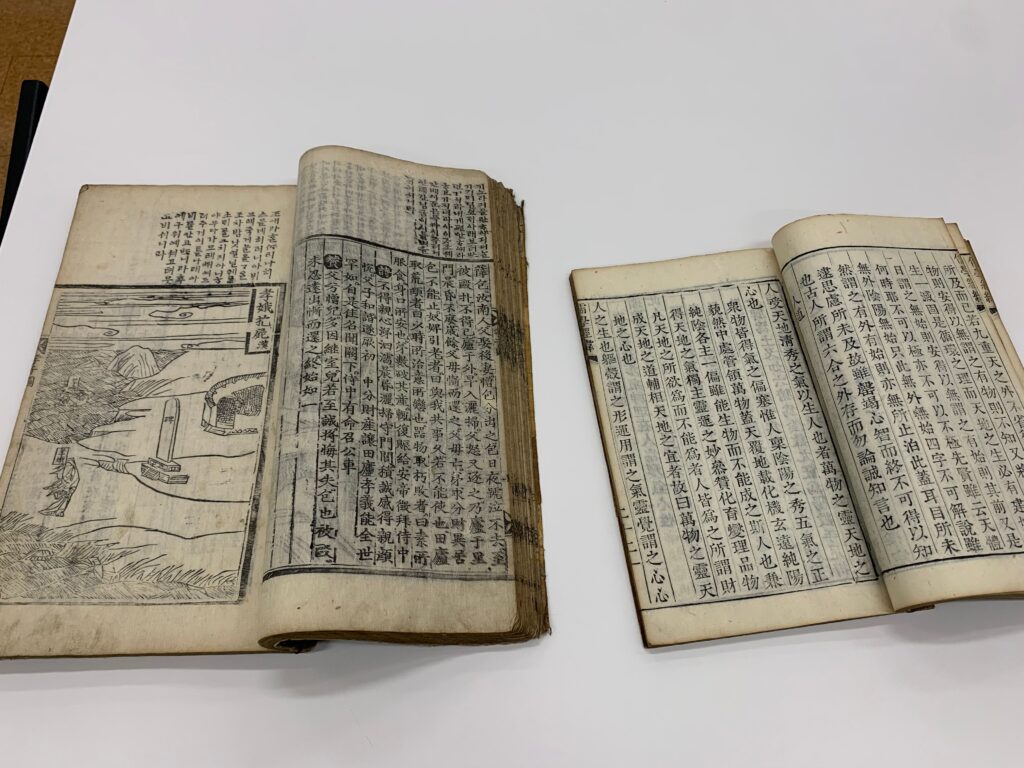
Asian Humanities majors choose their main language concentration in Chinese, Japanese, Korean, South Asian, or Southeast Asian languages, while simultaneously acquiring broad cultural competence by taking courses from at least […]
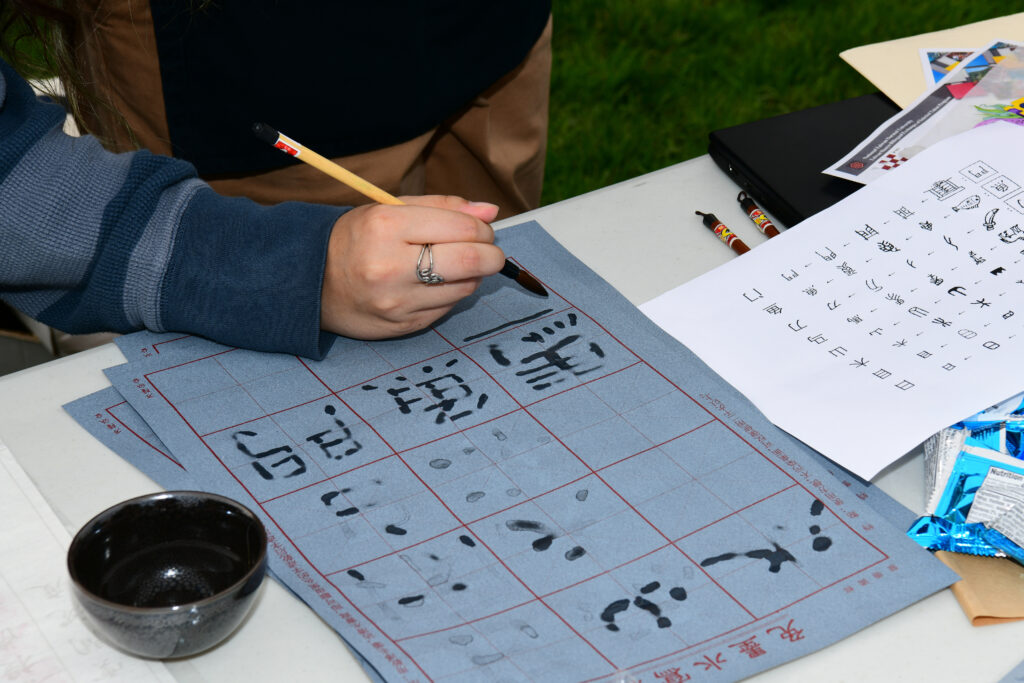
As Asia continues to shape global economics, technology, and culture, understanding its languages, culture, and societies through linguistic insights provides deep access to one of the world’s fastest-growing and most […]
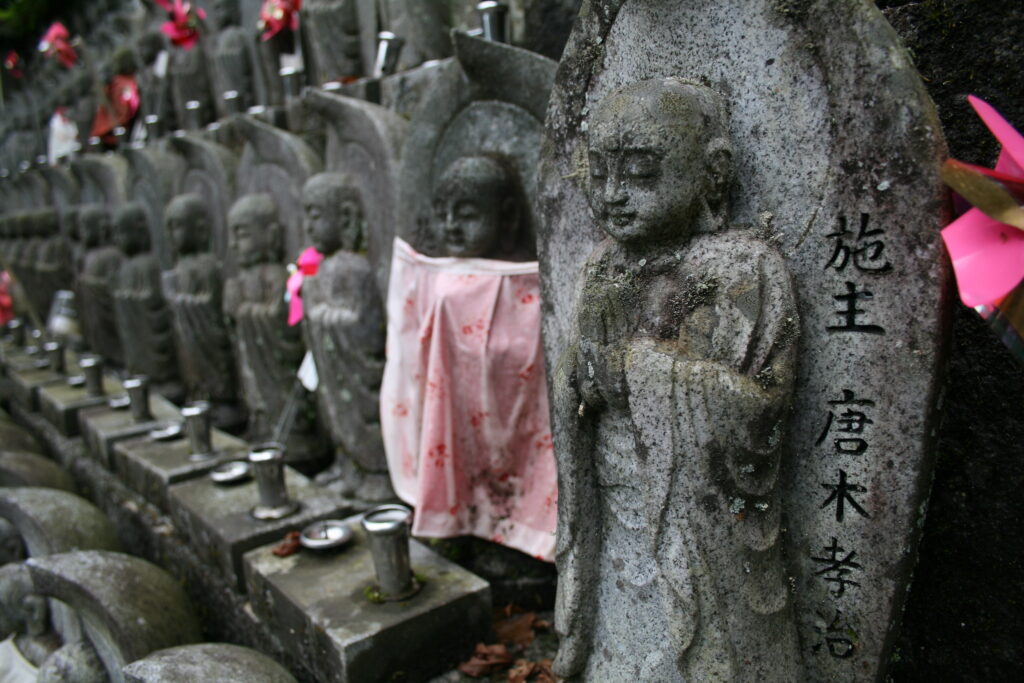
About the Asian Religions Major Asian Languages and Cultures at UCLA offers undergraduate students the rare opportunity to study religion—arguably among the most important categories of human experience—through a focus […]
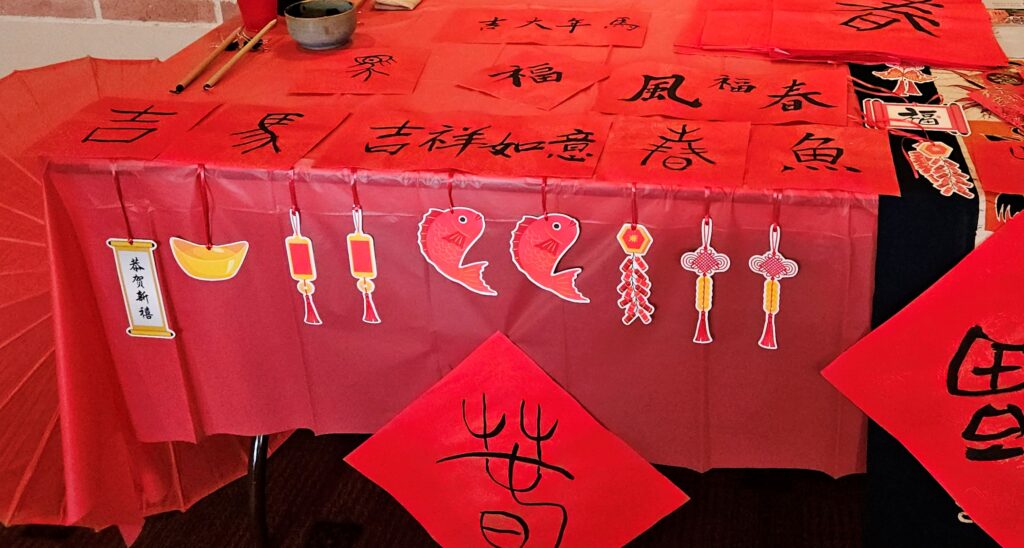
The Chinese major offers rigorous training in Chinese language, literature, linguistics, religion, archaeology, and film studies. Through our comprehensive curriculum, you will develop advanced proficiency in modern spoken and written […]

Japanese is a very popular major offering a broad range of courses in Japanese language, literature, linguistics, theater, religion, and film. Students are required to achieve advanced levels of proficiency […]

UCLA offers the widest range of undergraduate courses on Korea of any university in North America. In addition to achieving advanced levels of proficiency in modern spoken and written Korean, […]
The Asian Languages minor is designed to recognize a serious commitment to the study of Asian languages. It is especially suited for students who wish to augment their major program […]
The Asian Humanities minor is designed to recognize a serious commitment to the study of Asian cultures. Lower division survey courses in civilizations and religious traditions provide students with a […]
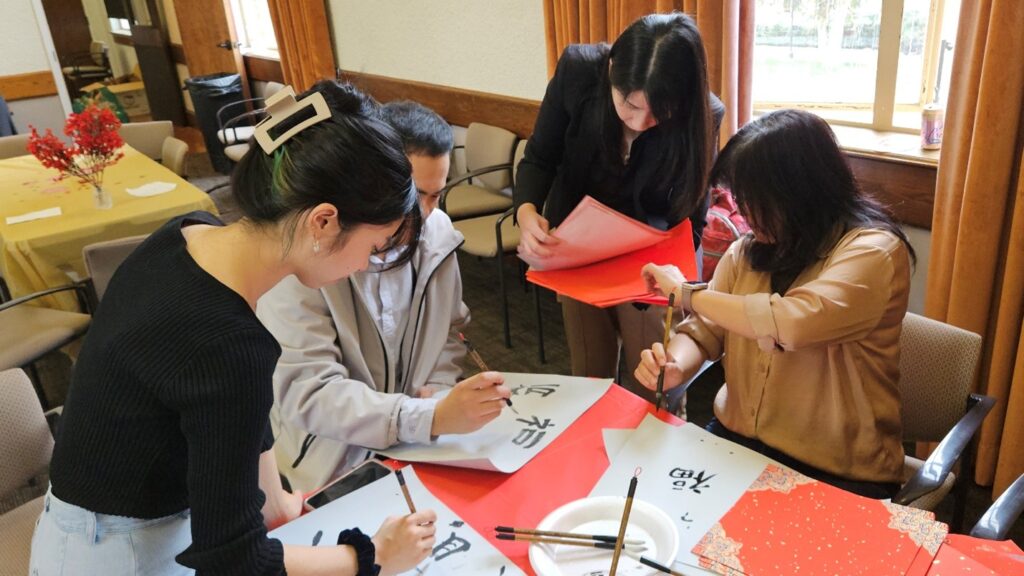
As one of the two most widely spoken languages in the world, Chinese has over one billion native speakers and a written history spanning more than 5,000 years. The standard […]
Filipino (Tagalog), the national language of the Philippines, has approximately 75 to over 90 million speakers worldwide. There are 28–33 million native speakers and over 50 million second-language speakers in the Philippines, […]
We offer two years of Hindi (and Urdu) instruction covering elementary and intermediate levels. Spoken Hindi and Urdu are identical languages. First year elementary Hindi, with the Devnagri script, is […]
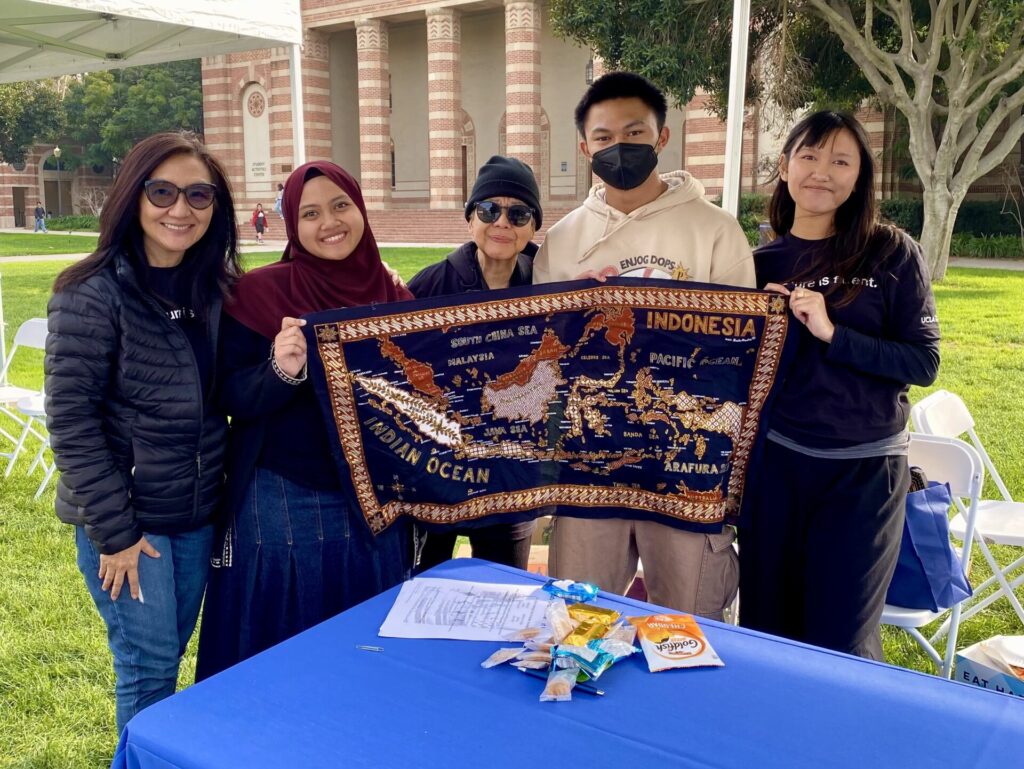
Indonesian, or Bahasa Indonesia, is the national language of Indonesia, the fourth most populous country in the world. Standardized in the 20th century and adopted as a unifying national language […]
Japanese is the native language of over 120 million people and serves as the national language of Japan—one of the world’s largest economies and a major contributor to global trade, […]
Korean is a native language of over 80 million people, the national language of Korea, the heritage language of diasporas in the US, China, Russia, Central Asia, and Latin America. […]
Fall 2025 Placement Exams registration is now closed. The Department of Asian Languages & Cultures hosts regularly scheduled placement exams during the Fall and Winter quarters only. It is *strongly suggested* […]
We offer elementary and advanced instruction in Sanskrit, the language of ancient and classical India and of many of its central religious and literary texts, such as the Vedas, the […]
A language that is distinctly different in both culture and linguistic features. We offer three levels–Introductory, Intermediate and Advanced.
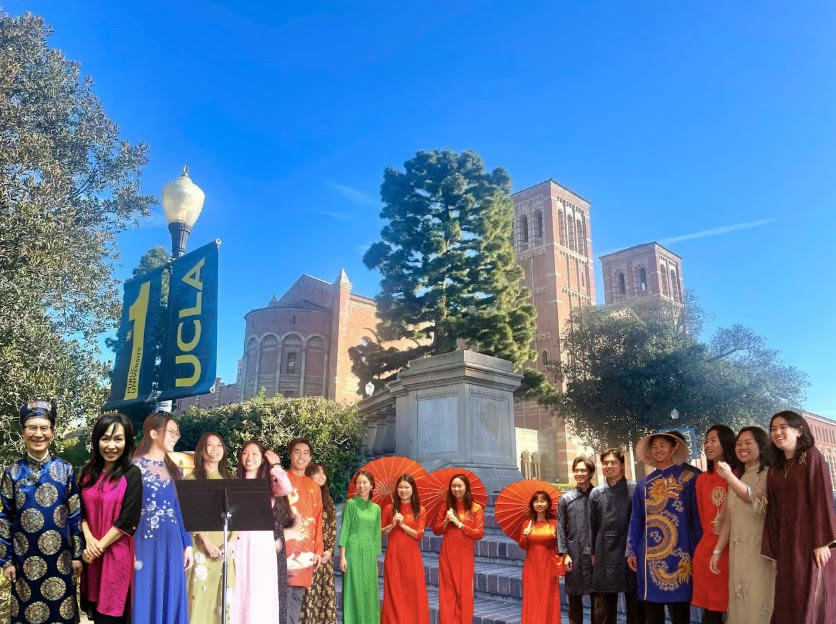
Vietnamese, the official language of Vietnam, is spoken by over 90 million people and widely used across global diaspora communities, including one of the largest in California. At UCLA, Vietnamese […]
Asia is all around us. It is part of our lives.
The Department of Asian Languages and Cultures is where UCLA students come not just to study but to engage with the incredible diversity of Asia. Few other departments anywhere in the world can offer as many Asian languages, both contemporary and premodern, as our accomplished language instructors do, or offer courses on such a wide range of topics taught by world-class scholars—from anime to Zen, from contemporary Southeast Asian literatures to Chinese discourse analysis, from postcolonial theory to women in Korean history. Our classes are designed to deepen students’ knowledge of languages and topics that really matter in the world today, and to help them hone their ability to read and think carefully, and to interact with others in a spirit of openness, inclusiveness, and humility, in ways that enrich their lives.
All this explains why our courses are among the most popular on campus, why our undergraduate majors have gone on to succeed in so many fields, and why graduates of our Ph.D. programs have embarked upon such stellar careers, leading the way in their respective areas in scholarship, teaching, and service.
Asian Languages and Cultures educates students from across the UCLA campus, and from all around the world. Our academic engagement embraces the contemporary and the ancient, thinking and doing, cultivation and service, and is rooted in both global and local communities. In the most fundamental way, we offer students a chance to learn how to be more aware of themselves in the world, and to grow in directions they never knew they could.